Commercial Laminate Flooring vs. Traditional Hardwood
People searching for commercial laminate flooring or hardwood installation are typically looking to upgrade or replace their floors, and local contractors can help them choose and install the best option for their space.
Choosing between commercial laminate flooring and traditional hardwood is a common consideration for property owners looking to enhance their spaces. Whether upgrading a retail store, office, or other commercial property, understanding the practical differences can help make an informed decision. Local contractors specializing in flooring installation can provide valuable insights and tailored options, ensuring the choice aligns with the specific needs of a property’s foot traffic, maintenance routines, and aesthetic goals. Exploring this topic further can reveal the advantages and limitations of each flooring type, helping owners select the best solution for their environment.
Property owners in the area often explore this comparison to find durable, cost-effective, and visually appealing flooring options that suit their spaces. Commercial laminate flooring, for example, offers a resilient surface that withstands heavy use, while traditional hardwood provides a timeless look that can add warmth and character. Local service providers experienced in both installation styles can assist in evaluating the benefits of each option, guiding property owners toward the most suitable choice for their specific circumstances. Keep reading to learn more about how these flooring types differ and how local experts can support the installation process.
Get Quotes for Commercial Laminate Flooring Or Hardwood Installation
- Commercial laminate flooring vs. traditional hardwood - local contractors can help property owners choose durable flooring options suitable for high-traffic commercial spaces.
- Commercial laminate flooring vs. traditional hardwood - professionals assess subfloor conditions and recommend installation methods that ensure longevity and stability.
- Commercial laminate flooring vs. traditional hardwood - service providers offer guidance on the maintenance needs and cost considerations of each flooring type.
- Commercial laminate flooring vs. traditional hardwood - local experts can install either option efficiently to minimize disruption in busy commercial environments.
- Commercial laminate flooring vs. traditional hardwood - specialists evaluate aesthetic preferences alongside practical factors to determine the best flooring choice for the space.
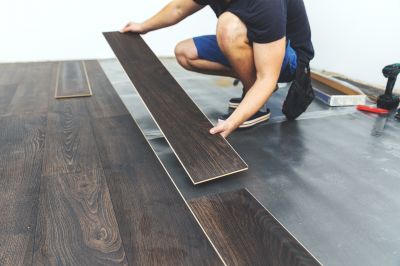
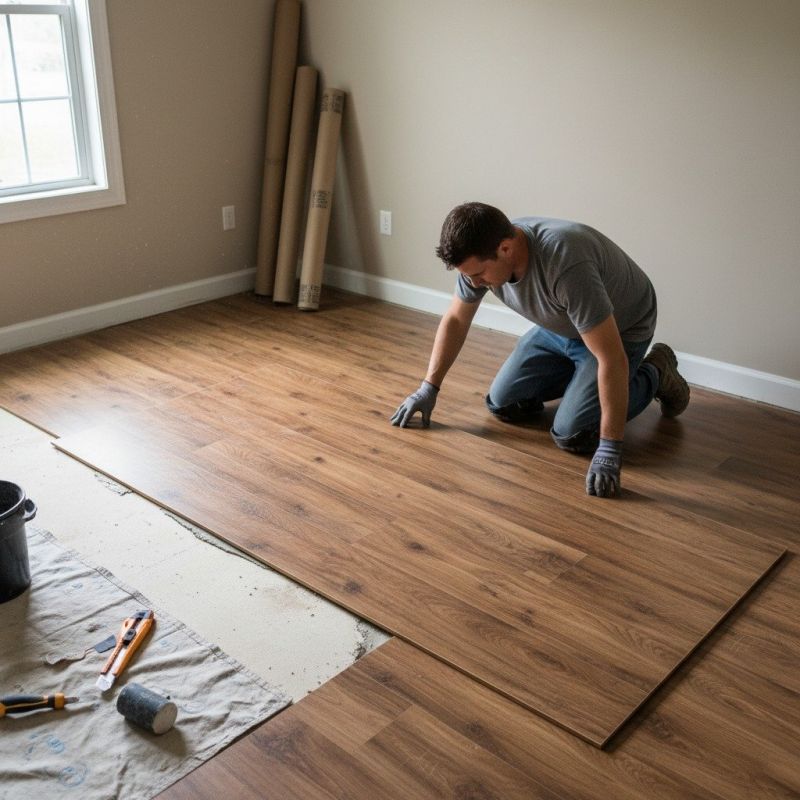
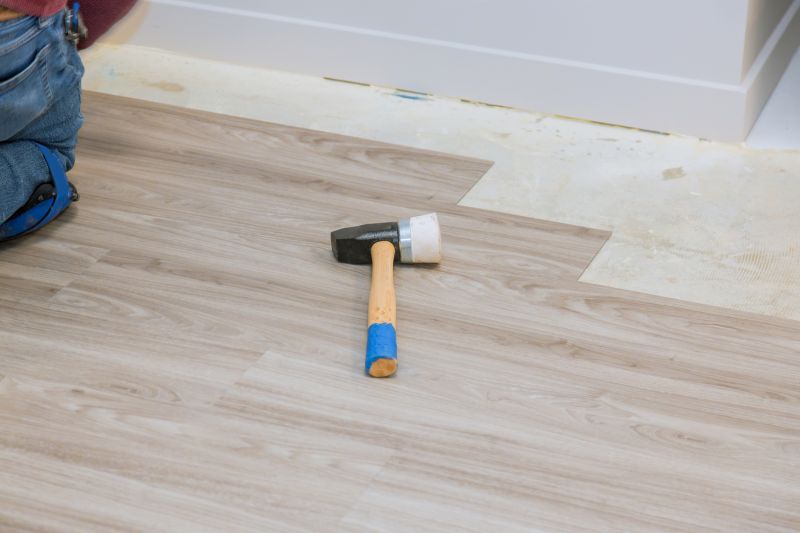
When people search for information about commercial laminate flooring versus traditional hardwood, they are often exploring options for upgrading or installing new flooring in a variety of commercial or residential spaces. Commonly, this topic relates to property owners and managers planning renovations or new constructions who want to understand the differences in appearance, durability, and maintenance between these two flooring types. The decision-making process might involve considerations of how well each material withstands foot traffic, potential costs over time, and how the flooring aligns with the overall aesthetic of the property. Understanding these factors helps property owners determine which flooring option best supports their project goals, whether for retail stores, office buildings, restaurants, or even homes with high-traffic areas.
This comparison often ties into problems or plans involving long-term durability, appearance, and budget management. For example, someone might be seeking a flooring solution that can endure heavy use without frequent repairs or replacements, which is a common concern in commercial settings. Alternatively, a homeowner or business owner might be weighing the visual appeal of traditional hardwood against the practicality and cost-effectiveness of commercial laminate flooring. These projects frequently involve considerations of installation complexity, maintenance needs, and how each flooring type complements the interior design. Local contractors specializing in flooring installation can provide valuable insights and help determine which material aligns with the specific needs of the space, whether it’s a busy retail environment or a cozy home entryway.
The types of properties where this comparison comes up tend to be diverse, ranging from retail stores and office complexes to restaurants and hospitality venues. Residential properties are also common, especially in high-traffic areas like kitchens, hallways, or basements. Commercial properties often prioritize durability and ease of maintenance, making laminate flooring a popular choice, while traditional hardwood is valued for its timeless appearance and potential for refinishing. Each property type presents unique challenges and priorities, such as moisture resistance, aesthetic longevity, or installation timeframes. Local service providers experienced in both commercial laminate flooring and hardwood installation can assess these factors and recommend solutions tailored to the specific property, ensuring the flooring meets both functional and aesthetic expectations.
Understanding the differences between commercial laminate flooring and traditional hardwood helps property owners make informed decisions that impact the overall success of their projects. Whether the goal is to create a welcoming atmosphere, withstand heavy foot traffic, or balance budget considerations, knowing the strengths and limitations of each flooring type is essential. Connecting with local flooring contractors allows property owners to explore options in person, receive professional advice, and find the right flooring solution for their space. These experts can handle the installation process efficiently and ensure that the chosen material enhances the property's value and functionality, making the decision between commercial laminate flooring and traditional hardwood a practical step toward achieving the desired environment.
Office Renovation Projects - installing durable flooring options like laminate or hardwood is common in commercial office upgrades, requiring precise planning and specialized tools that local contractors can provide.
Retail Store Installations - retail spaces often choose between laminate and hardwood flooring for aesthetic and durability reasons, with local service providers handling the installation process.
Restaurant Flooring Projects - commercial kitchens and dining areas benefit from resilient flooring materials, and local pros are experienced in managing the unique requirements of these environments.
Residential Basement Finishes - basement flooring installations often involve choosing between laminate and hardwood, with local contractors offering expertise in subfloor preparation and installation.
Educational Facility Upgrades - schools and training centers require durable, easy-to-maintain flooring solutions, with local service providers skilled in large-scale flooring projects.
Healthcare Facility Renovations - healthcare environments need resilient, hygienic flooring options, and local pros are equipped to handle the specialized installation needs of these projects.

When evaluating service providers for commercial laminate flooring or hardwood installation, it is important to consider their experience with similar projects. Contractors who have a history of working on commercial spaces can better understand the specific demands and challenges associated with these types of installations. Asking about their previous work with commercial flooring options-whether laminate or hardwood-can provide insight into their familiarity with the materials, installation techniques, and any unique considerations that might arise in a commercial setting. This background can help ensure the chosen service provider is equipped to handle the scope and scale of the project effectively.
Clear, written expectations are essential when comparing local contractors for flooring services. A reputable service provider should be able to outline the scope of work, materials to be used, and the installation process in detail. Having these expectations documented helps prevent misunderstandings and ensures that both parties are aligned on the project’s objectives. When considering whether to install commercial laminate flooring or traditional hardwood, it’s beneficial to discuss how each material's characteristics-such as durability, maintenance, and appearance-will be addressed in the project plan. Transparent communication about these aspects can lead to a smoother process and a final result that meets the needs of the space.
Reputable references and good communication are key factors in selecting the right contractor for flooring installation. Service providers with positive references from previous clients can offer reassurance about their reliability and quality of work. It’s also important to evaluate how well a contractor communicates-whether they respond promptly to questions, provide thorough explanations, and are attentive to specific project details. Effective communication ensures that any concerns or adjustments can be addressed promptly, which is especially important when choosing between commercial laminate flooring and hardwood, as each option involves different installation considerations and ongoing maintenance requirements.
Get a Quote for Commercial Laminate Flooring Or Hardwood Installation
Property owners often search for commercial laminate flooring vs. traditional hardwood when they are planning practical projects around their homes and businesses. Local pros provide Commercial Laminate Flooring or Hardwood Installation services for everyday jobs and straightforward project options.
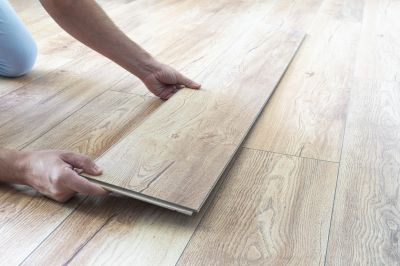
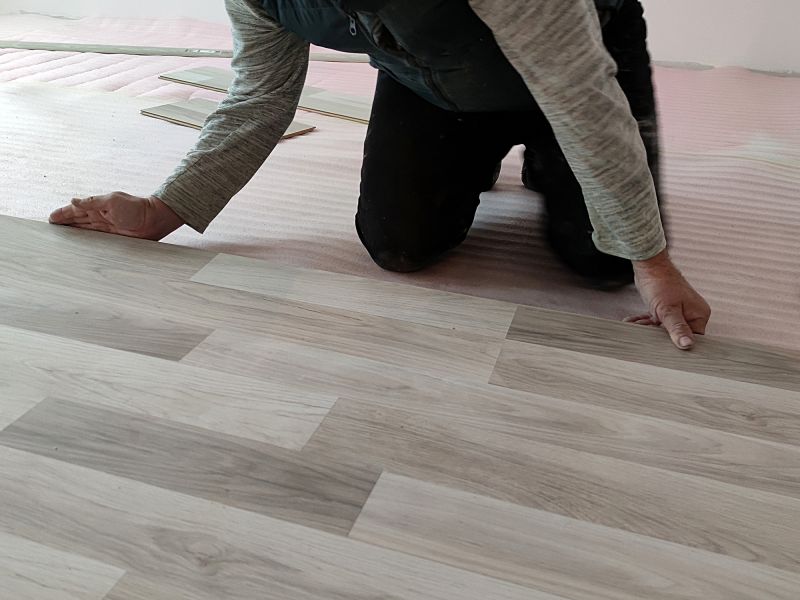
When considering flooring options for a commercial space or a high-traffic area at home, property owners often compare commercial laminate flooring versus traditional hardwood. For busy environments where durability and ease of maintenance are priorities, commercial laminate flooring can offer a resilient surface that withstands daily wear and tear without requiring extensive upkeep. Homeowners looking for a quick installation process or a flooring solution that mimics the look of wood without the associated costs might explore local contractors who specialize in laminate installation. On the other hand, those seeking a classic, warm aesthetic with natural variations often turn to traditional hardwood, which can add value and timeless appeal to a property.
Property owners in the area might seek out local service providers to help evaluate the advantages of each flooring type based on their specific needs. For example, a business with a high volume of foot traffic may prefer the scratch and stain resistance of commercial laminate, while a homeowner wanting a more authentic appearance might opt for hardwood flooring. Local contractors can assist in assessing the space, recommending suitable materials, and providing professional installation services to ensure the chosen flooring meets both functional and aesthetic goals. Whether choosing commercial laminate versus traditional hardwood, connecting with experienced local service providers can simplify the decision-making process and help achieve the desired results.
Get a Quote for Commercial Laminate Flooring Or Hardwood Installation
How does the durability of commercial laminate flooring compare to traditional hardwood? Commercial laminate flooring generally offers higher resistance to scratches, dents, and moisture, making it suitable for high-traffic areas, while traditional hardwood can be more prone to wear and damage over time.
Can commercial laminate flooring be installed over existing surfaces? Yes, many local contractors can install commercial laminate flooring over existing subfloors or surfaces, provided they are properly prepared, whereas hardwood usually requires a clean, level subfloor and may need removal of existing flooring.
What maintenance differences are there between commercial laminate flooring and hardwood? Commercial laminate flooring typically requires less maintenance, needing only regular sweeping and damp mopping, while hardwood may need specialized cleaning and periodic refinishing to maintain its appearance.
Are there style and design options available for both commercial laminate flooring and hardwood? Both options come in a variety of colors, patterns, and finishes, but laminate flooring often offers more consistent patterns and a wider range of styles at a lower cost, while hardwood provides natural variations and unique grain patterns.
What installation considerations should be kept in mind for commercial laminate flooring versus hardwood? Commercial laminate flooring often features click-lock systems that allow for quicker installation, while hardwood may require more precise measuring, nailing, or gluing, which local service providers can handle based on the space and project requirements.
Durability considerations - Property owners can evaluate whether commercial laminate flooring vs. traditional hardwood suits high-traffic areas by consulting local contractors experienced in both options.
Maintenance needs - Deciding between easy-to-clean laminate surfaces and more delicate hardwood finishes can guide practical choices for busy commercial or residential spaces with frequent use.
Design flexibility - Exploring a variety of styles and finishes available through local service providers can help property owners match flooring choices to their interior design goals.
Installation options - Understanding the differences in installation processes for commercial laminate flooring vs. traditional hardwood can assist property owners in planning projects that fit their space and timeline.
If you are thinking about commercial laminate flooring vs. traditional hardwood for a property, this guide is meant to help you understand this topic, the typical project types, and how different options might fit your plans.
When you are ready, you can use the quote form on this page to share a few details about your project. From there, local pros can review the basics and follow up with options that match what you have in mind.
Get a Quote for Commercial Laminate Flooring Or Hardwood Installation